


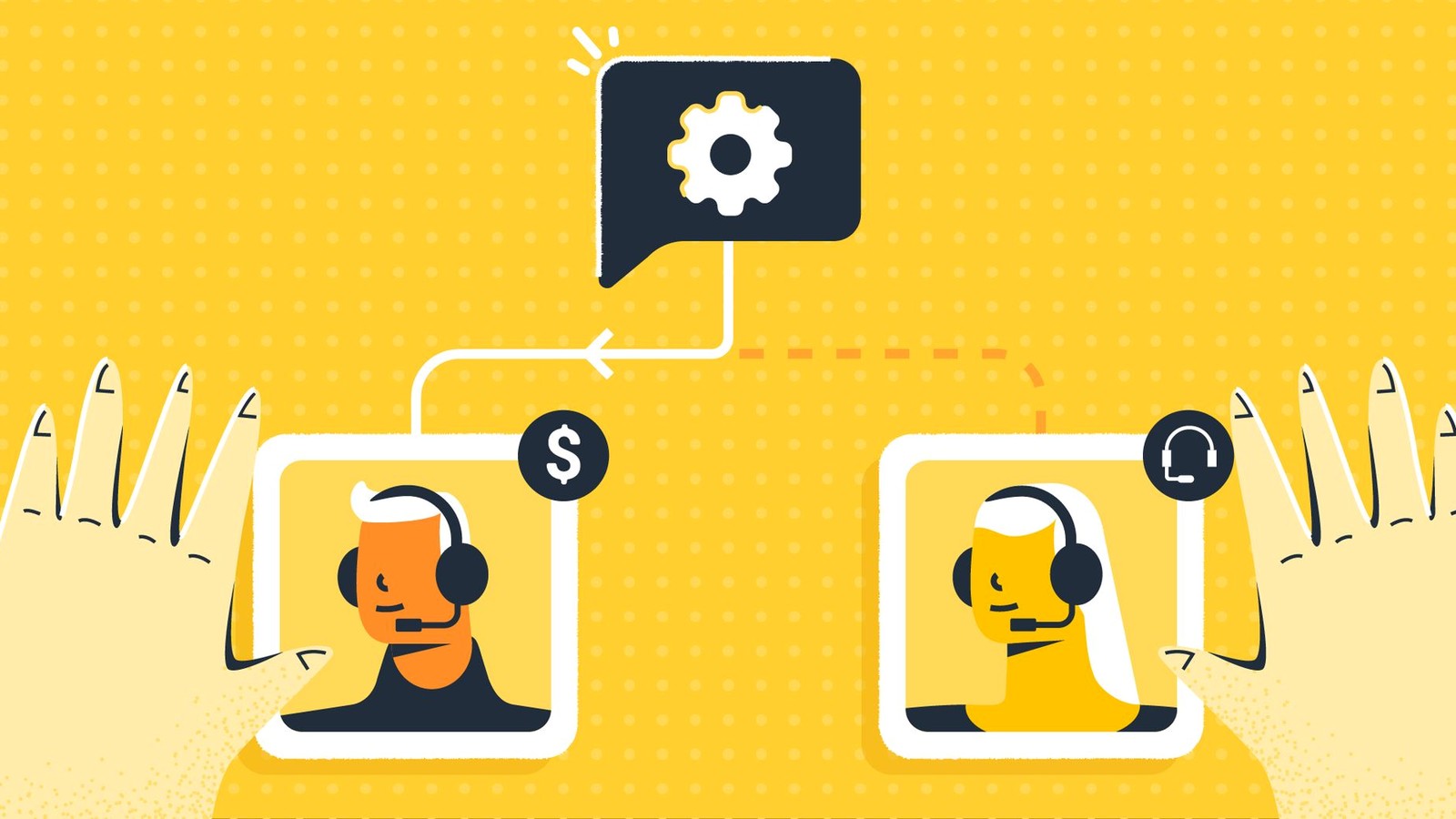
Why Manual Conversation Assignment Fails Growing Businesses
As incoming message volumes surge across platforms like Instagram, Telegram, and WhatsApp, manual routing quickly becomes an operational bottleneck. Relying on managers to review and distribute chats using human judgment leads to uneven workloads, missed inquiries, and frustrating delays for eager buyers.
For brands looking to scale their messaging operations, shifting to automatic conversation assignment is no longer optional. Auto-assignment instantly distributes incoming chats to the right team members using predefined criteria, eliminating human error and speeding up response times.
Smart Routing Strategies for Sales and Support Teams
Different teams require tailored assignment logic. Sales teams view every chat as a potential deal, making fair lead distribution vital. By pairing round-robin assignment with AI agents that pre-qualify leads, businesses ensure sales reps only spend time on high-potential prospects.
For support departments, balancing speed and accuracy is key. You can deploy hybrid workflows where AI handles repetitive FAQs, while complex issues are routed to available human agents. Additionally, VIP customers can be automatically routed to dedicated account managers for a personalized touch.
Best Practices for Managing Customer Expectations in Automated Queues
Even with instant routing, agents may take a brief moment to review chat history. To keep customers engaged and prevent them from abandoning the conversation, use automated triggers like 'assigned to agent' notifications, out-of-office replies, and overcapacity notices during peak traffic.
By centralizing your messaging channels within a unified growth platform like Dyoo, you can build sophisticated automation workflows, apply agent capacity limits, and use internal notes to ensure seamless handovers between bots and human teams.